Reconciliation


"Under Pressure", Blown and gold mirrored glass, kilncast glass, flameworked glass, brass hardware, 2026

"Under Pressure", Blown and gold mirrored glass, kilncast glass, flameworked glass, brass hardware, 2026

"Tears of a Dead Man" (#1), Blown glass, electroplated kilncast glass, clay, enamel paint, 2026

"Tears of a Dead Man" (#1), Blown glass, electroplated kilncast glass, clay, enamel paint, 2026

"Tears of a Dead Man" (#1), Blown glass, electroplated kilncast glass, clay, enamel paint, 2026

"Tears of a Dead Man" (#2), Silver mirrored blown glass, electroplated kilncast glass, clay, enamel paint, 2026

"Tears of a Dead Man" (#2), Silver mirrored blown glass, electroplated kilncast glass, clay, enamel paint, 2026

"Tears of a Dead Man" (#2), Silver mirrored blown glass, electroplated kilncast glass, clay, enamel paint, 2026

"Tears of a Dead Man" (#3), Blown glass, electroplated kilncast glass, clay, enamel paint, 2026
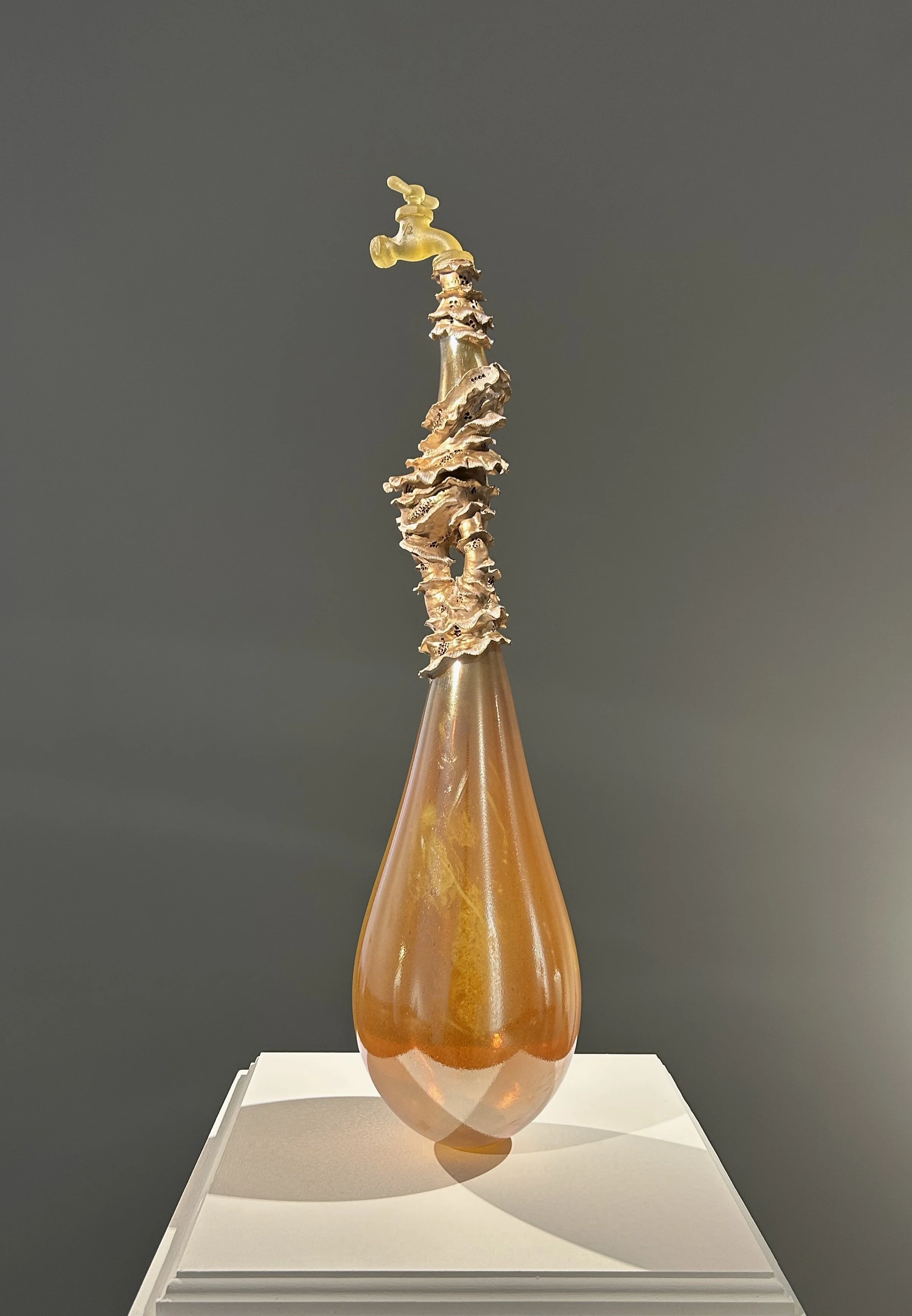
"Tears of a Dead Man" (#3), Blown glass, electroplated kilncast glass, clay, enamel paint, 2026

"Tears of a Dead Man" (#3), Blown glass, electroplated kilncast glass, clay, enamel paint, 2026

"The Womb, The Tomb, and Everything Between", Blown and ground opal white glass, kilncast glass, cast urethane plastic, gold and silver leaf, clay, enamel paint, silicone rubber, 2026

"The Womb, The Tomb, and Everything Between", Blown and ground opal white glass, kilncast glass, cast urethane plastic, gold and silver leaf, clay, enamel paint, silicone rubber, 2026

"The Womb, The Tomb, and Everything Between", Blown and ground opal white glass, kilncast glass, cast urethane plastic, gold and silver leaf, clay, enamel paint, silicone rubber, 2026

"The Womb, The Tomb, and Everything Between", Blown and ground opal white glass, kilncast glass, cast urethane plastic, gold and silver leaf, clay, enamel paint, silicone rubber, 2026

"Release (Becoming)", Blown and silver mirrored glass, kilncast glass, flameworked glass, steel hardware, clay, enamel paint, 2026

"Release (Becoming)", Blown and silver mirrored glass, kilncast glass, flameworked glass, steel hardware, clay, enamel paint, 2026

"Release (Becoming)", Blown and silver mirrored glass, kilncast glass, flameworked glass, steel hardware, clay, enamel paint, 2026
About the Exhibition…
“This thesis exhibition, Reconciliation, examines how memory, loss, and lived experience
shape personal identity over time. Through sculptural works composed of cast, blown, and hot-sculpted
glass combined with mixed media; the exhibition explores the pressures that life events
place upon individuals and the ways those pressures persist, transform, and become integrated
into the self. The work considers identity not as a fixed state but as a continual process of negotiation among
past experiences, present circumstances, and future possibilities.
Central to the project is the material analogy between glass and human experience. Glass,
a material formed under extreme heat and pressure and susceptible to internal stresses, mirrors
the psychological and emotional forces that shape human lives. Industrial forms such as vises,
clamps, and faucets appear throughout the sculptures as metaphorical agents of pressure,
restraint, and release, interacting with organic glass forms that suggest vulnerability, growth, and
transformation.
Drawing from personal history—including family experiences, memory fragmentation, and
encounters with loss—the work frames reconciliation as the act of confronting and harmonizing one’s past
with the present. Rather than erasing past pressures, the sculptures propose that growth emerges through
learning to coexist with them. Together, the works invite viewers to reflect on their own evolving identities
and the enduring influence of memory on who we become.”
–D.M.


Retrospective…
“Reconciliation reflects a sustained investigation into memory, loss, and the evolving construction of
personal identity. Developed over the course of my graduate studies, this body of work emerges from an increasing
willingness to engage directly with lived experience rather than distancing myself through formal or conceptual
abstraction. What began as an interest in perception and material process gradually shifted toward a more
introspective practice rooted in personal history.
Working primarily in glass, I became drawn to the material’s physical and metaphorical relationship to
pressure. Formed through heat, force, and careful control, glass mirrors the internal and external pressures that
shape human experience. Across the exhibition, industrial forms such as vises, clamps, and faucets function as
agents of tension, restraint, and release, interacting with organic, vulnerable forms that suggest growth and
transformation.
The work traces a trajectory from constriction to release. Early pieces emphasize containment and
compression, reflecting periods of emotional strain, grief, and uncertainty. Later works introduce rupture,
expansion, and organic growth, proposing reconciliation not as resolution, but as an ongoing process of integration.
Rather than seeking to overcome the past, the work acknowledges its persistence and explores how it can be
recontextualized.
Ultimately, Reconciliation marks a turning point in my practice. It represents a shift toward embracing
vulnerability, material empathy, and the complex interplay between memory and identity. The exhibition affirms
that meaning is not fixed, but continuously shaped through reflection, confrontation, and change.”
-D.M.